
AIPNA-ICP refers to the longstanding collaboration between two premier academic pathology organizations:
Together, they co-sponsor and organise high-profile international medical educational conferences, Continuing Medical Education (CME) courses, and academic exchange programs in diagnostic pathology.
Annual International CME Conferences: Every year (typically in February), AIPNA and ICP collaborate with a host medical college in India to conduct a major International CME Course. These events bring together international subspecialty experts—mostly Indian-American academic pathologists—and leading Indian pathologists.
Focus Areas: Deep dives into diagnostic surgical pathology, cytopathology, gastrointestinal & hepatobiliary pathology, gynecological/breast pathology, hematology, and molecular diagnostics.
Interactive Format: Courses feature case-based slide seminars, workshop grossing sessions, keynote lectures, and poster presentations designed for residents, fellows, and practicing pathologists.
Academic Bridge: The partnership acts as a bridge between Indian-American pathologists and their peers in India, facilitating mentorship, observer-ships, research collaboration, and subspecialty development.
| Entity | Full Form | Primary Role in Collaboration |
| AIPNA | Association of Indian Pathologists in North America | Provides diaspora expertise, international faculty, funding/awards, and global mentorship. |
| ICP | Indian College of Pathologists | Represents the academic body in India, handles local medical council accreditation (credit hours), and coordinates host institutions. |
Overview of Pathology Educational Trust
The Pathology Educational Trust is a dedicated non-profit organisation established to advance the science, practice, and teaching of pathology. Recognising that pathology is the cornerstone of accurate medical diagnosis and modern healthcare, the trust serves as a vital bridge between foundational research and clinical application.
Core Objectives & Mission
Key Educational Activities
To achieve its mission, the Trust organises and sponsors a diverse portfolio of academic and clinical initiatives:
Hosting regional, national, and international conferences that bring together leading pathologists, clinicians, and academicians to discuss complex clinical cases, pathobiology paradigms, and futuristic trends.
Conducting regular CMEs tailored to help practising professionals stay updated with mandatory credit hours, regulatory changes, and modern diagnostic criteria.
Organising specialised, skill-oriented technical workshops covering critical sub-specialities such as:
Impact on Healthcare
By encouraging collaborative learning, upholding stringent diagnostic standards, and integrating technological advancements, such as digital pathology and artificial intelligence, into everyday practice, the Pathology Educational Trust plays a significant role in shaping the future of diagnostic medicine and elevating patient care outcomes.
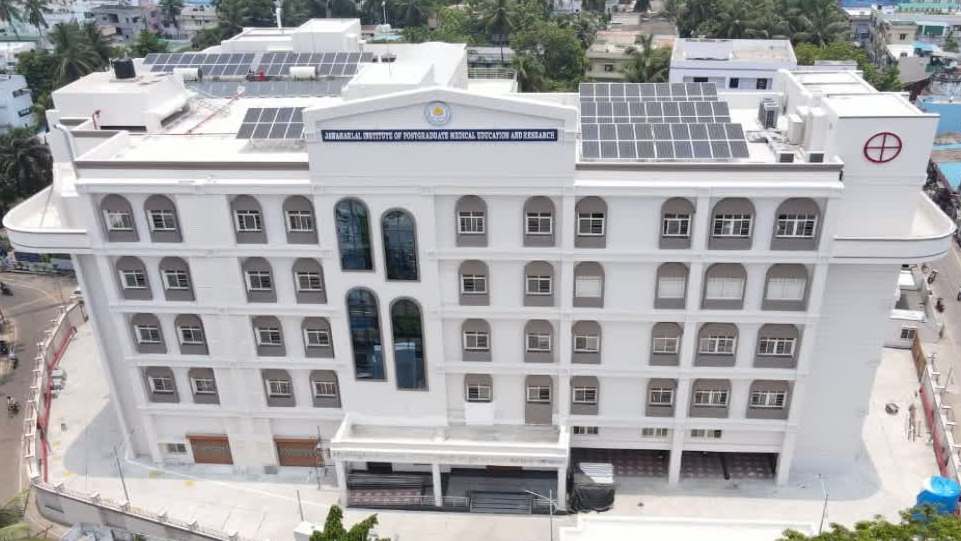

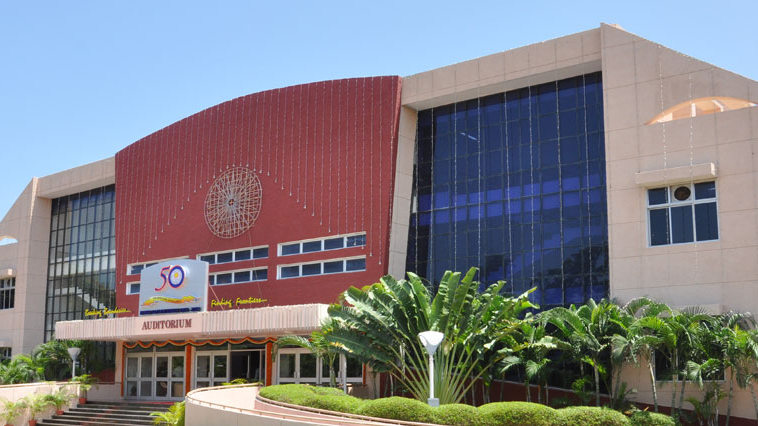
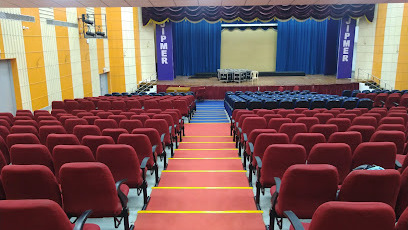
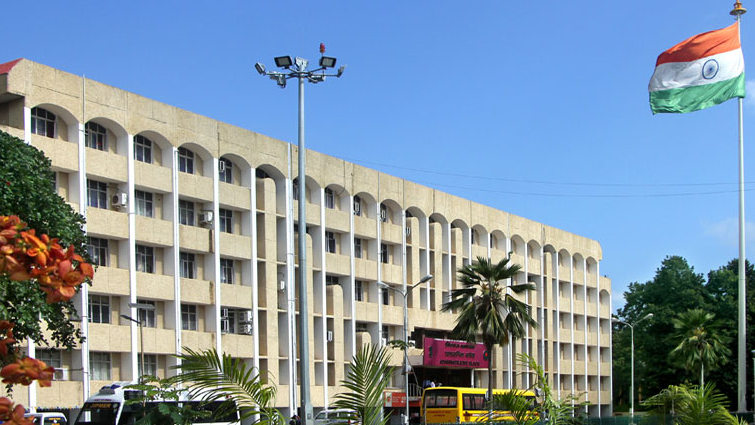
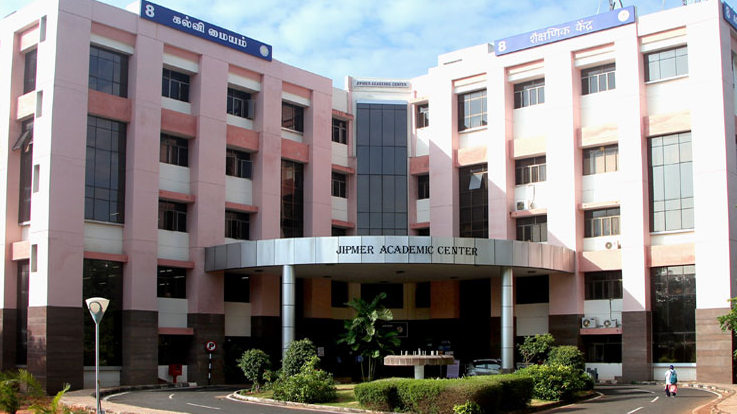
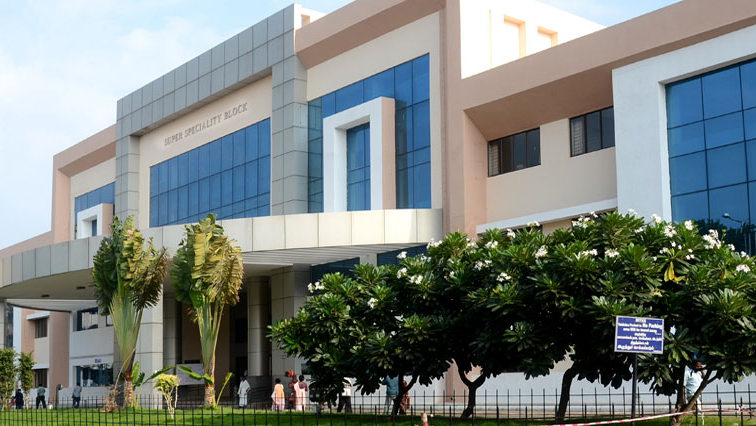
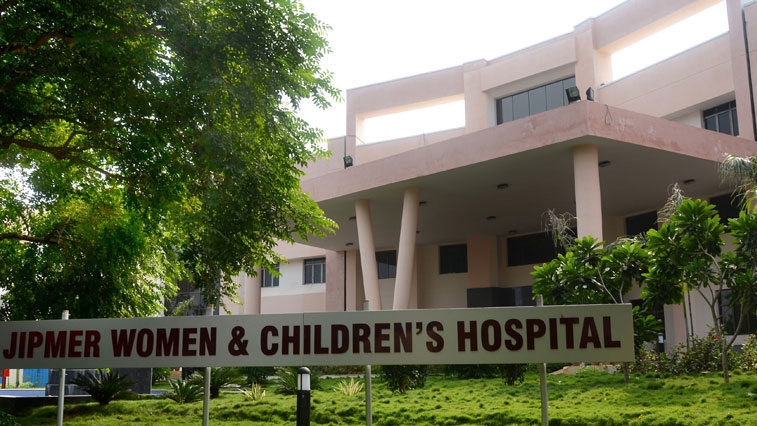
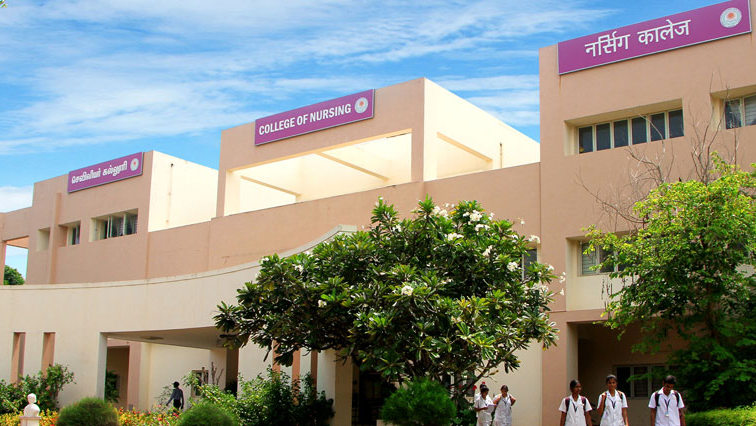
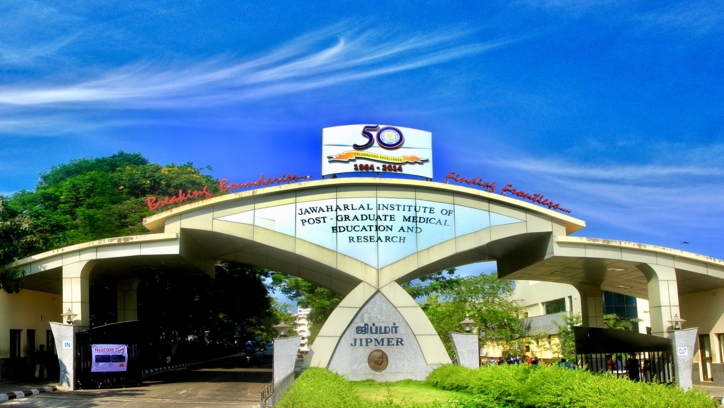
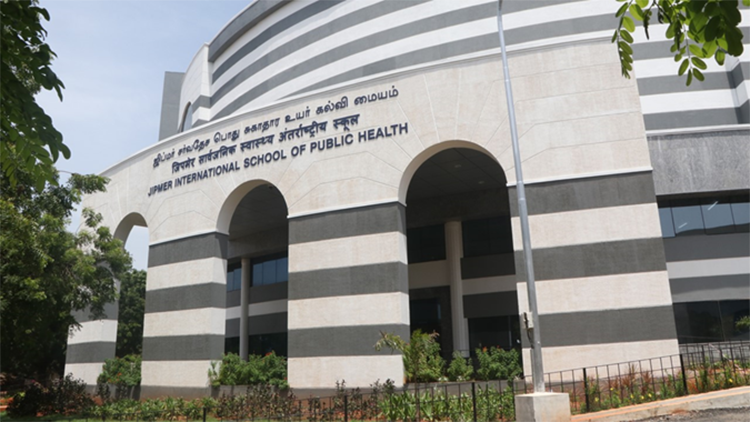
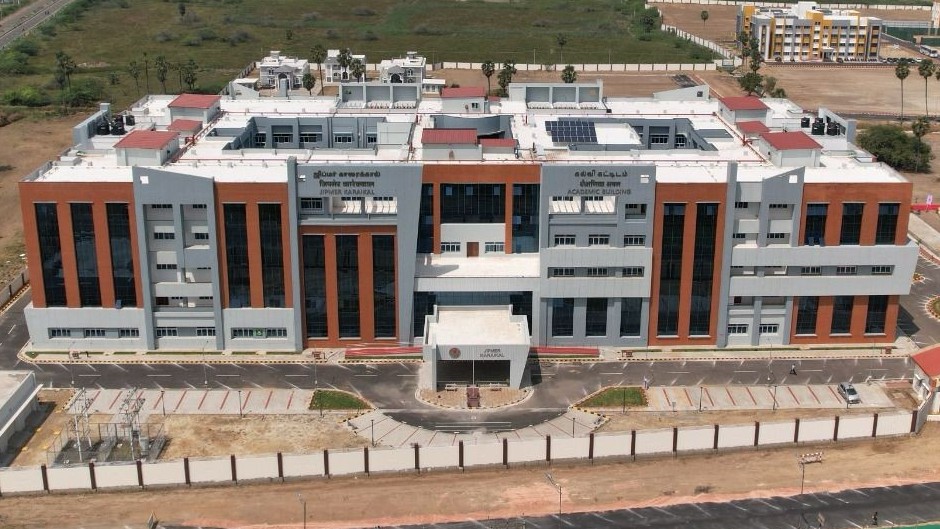
Jawaharlal Institute of Postgraduate Medical Education and Research (JIPMER) can trace its origins to the ‘Ecole de Medicine de Pondicherry’ established by the French Government in 1823. In 1956, the foundation for a new medical college was laid, and in 1964, the hospital was inaugurated. JIPMER became an institution of national importance under the Ministry of Health and Family Welfare, Government of India, in 2008. It is an institution established to teach, conduct research, and provide patient care in health care. JIPMER spreads over 192 acres. The institution houses one administrative block, one academic centre, one nursing college, seven hospital blocks, seven accessory services buildings and four residential complexes. 12 broad types of medical, nursing, and allied health science courses, covering all healthcare disciplines from basic to super-speciality training, are conducted.
JIPMER is one of the very few institutions in the country that provides teaching from the undergraduate to super-speciality & sub-specialities, conducts path-breaking research, and provides speciality care of high order. The model of providing free speciality health care while maintaining quality and safety makes JIPMER unique in the country. JIPMER’s success in providing the best treatment, even to those least able to afford it, makes it a model for speciality care delivery of the future. JIPMER continues to rank among the top five medical schools in the country. JIPMER is witnessing expansion in the form of new campuses

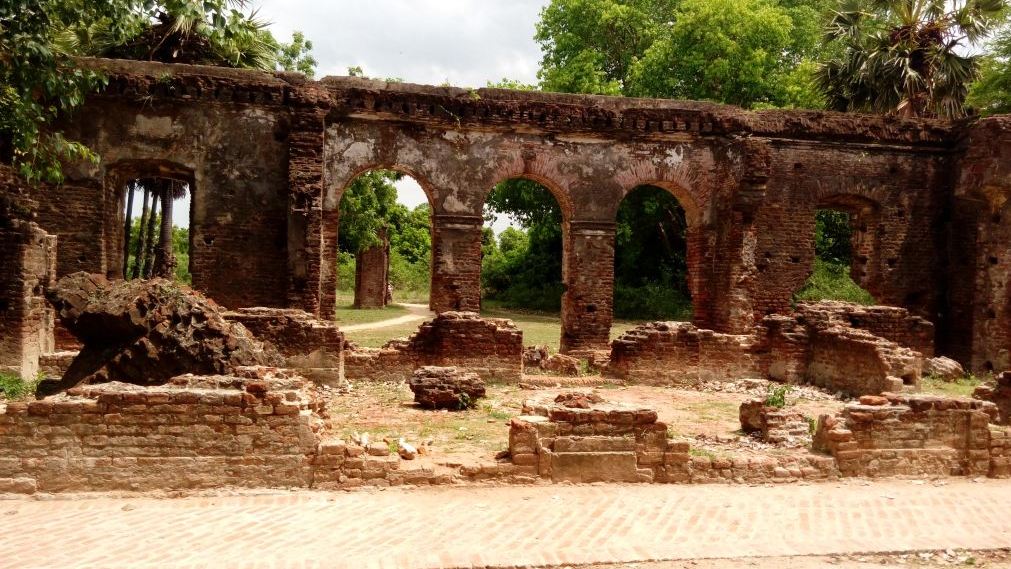
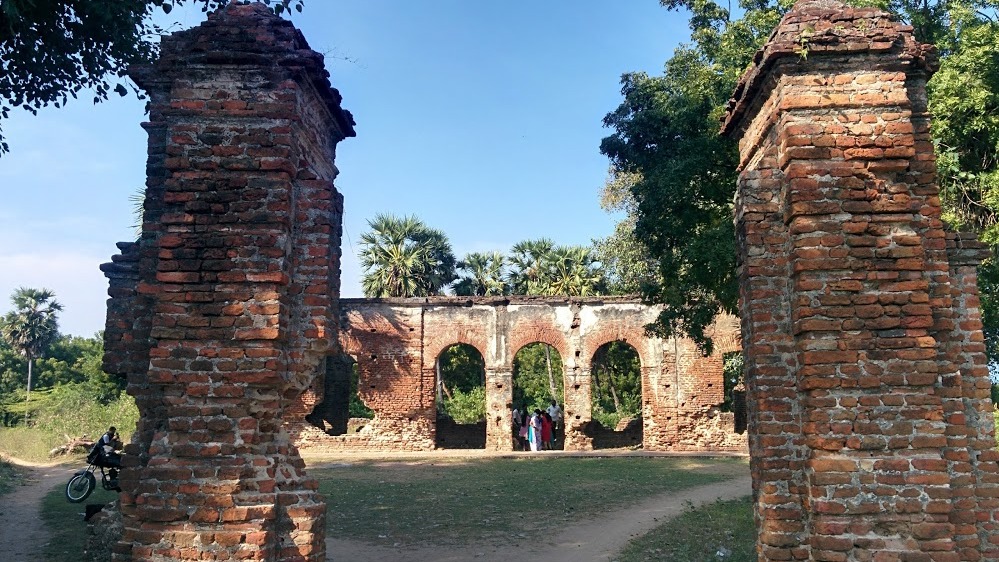
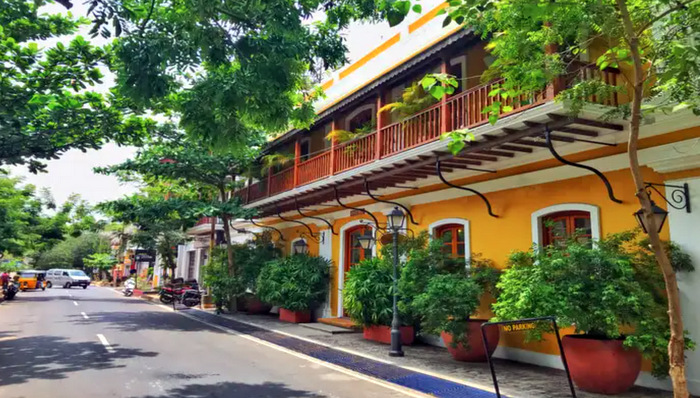
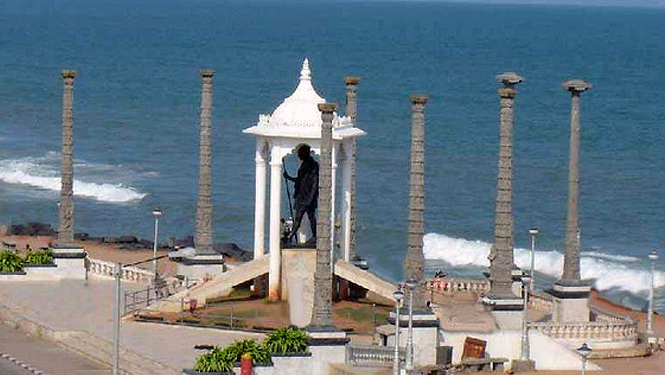

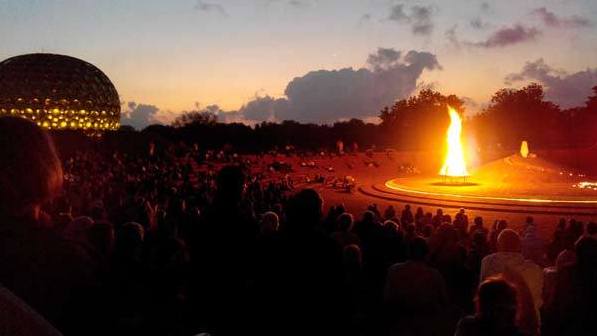
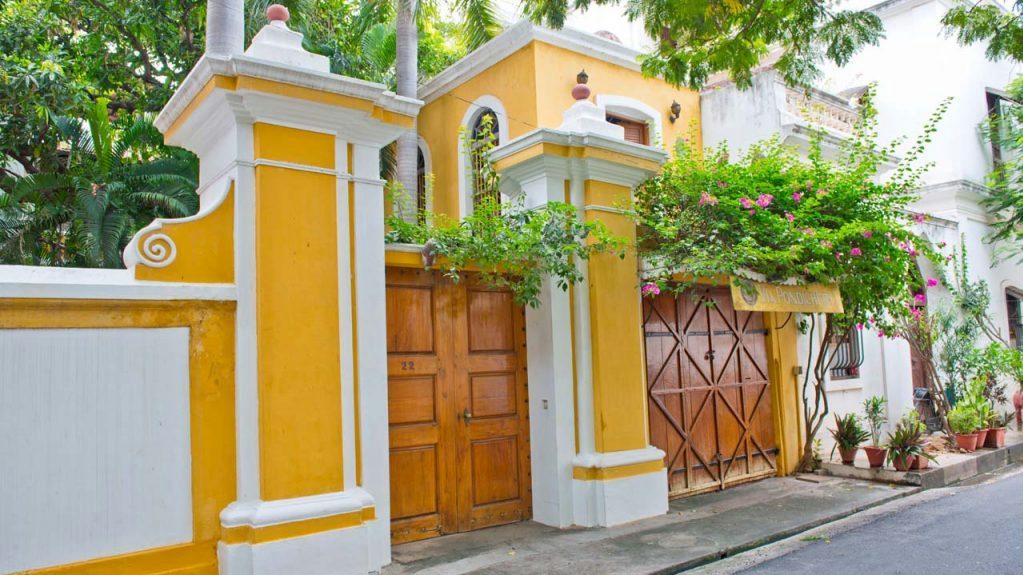
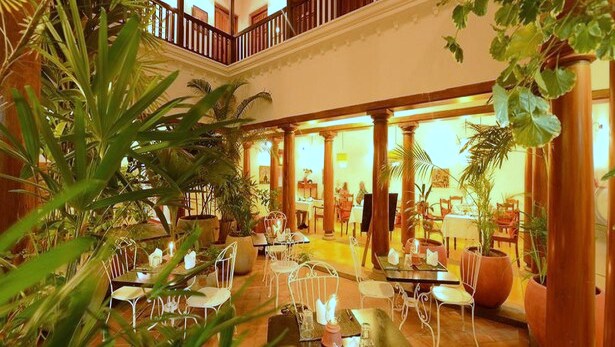
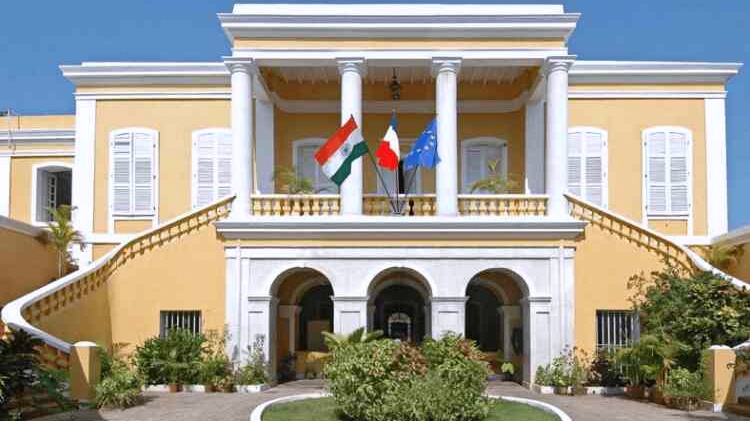



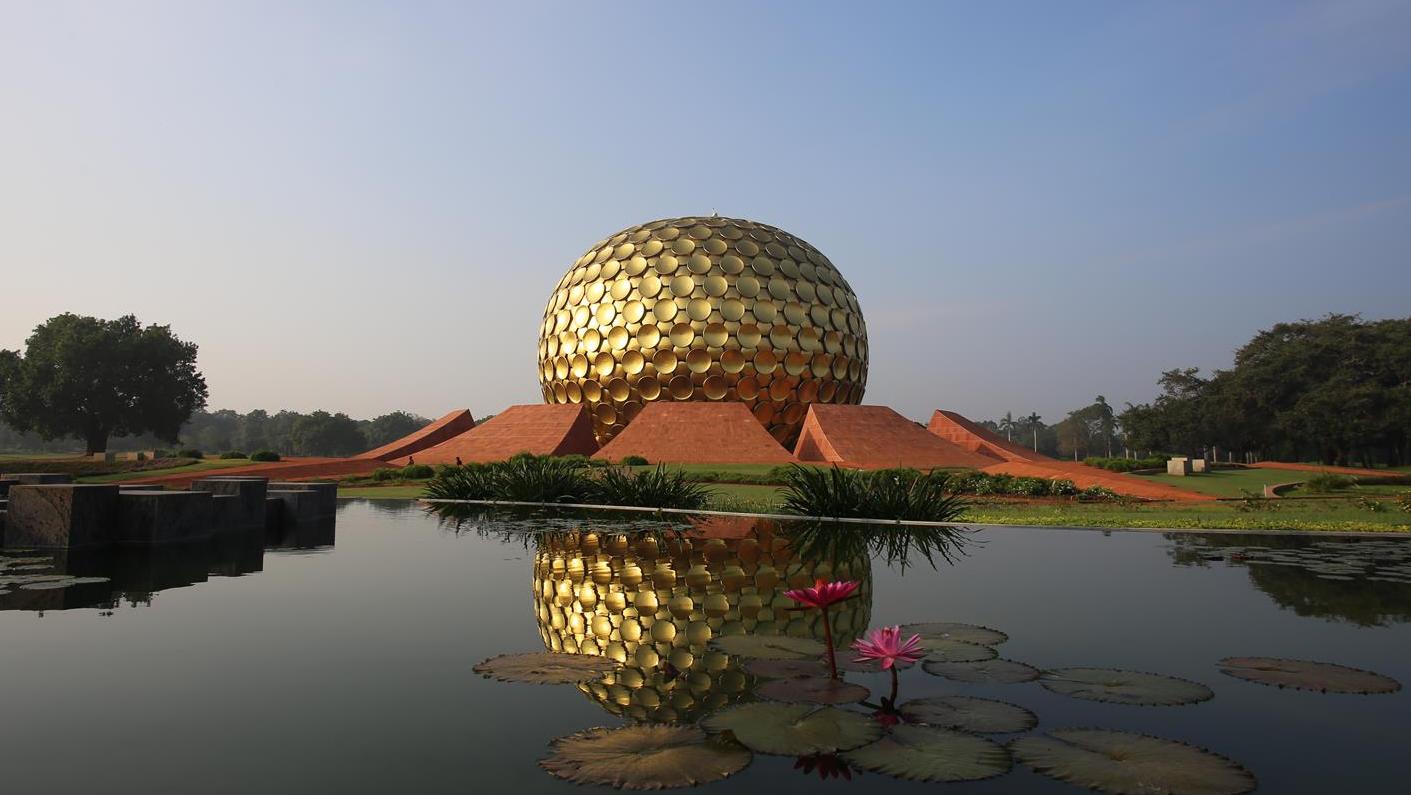

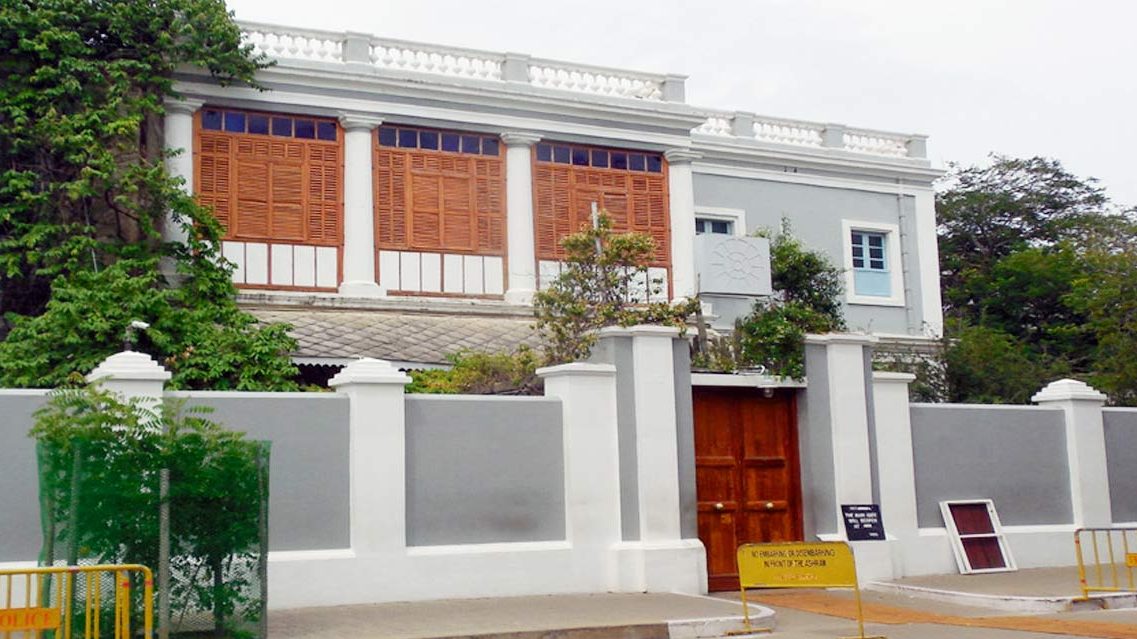
Puducherry, often affectionately called Pondicherry, is a unique tapestry of cultures, blending French colonial heritage with South Indian vibrancy. Nestled along the Coromandel Coast, it encompasses the former French enclaves of Puducherry, Karaikal, Mahe, and Yanam, each with a distinct character and history.
At its heart lies Puducherry, the capital, once the epicentre of French influence in India. Its streets are lined with remnants of a bygone era, featuring colonial mansions and tree-lined boulevards that evoke old-world charm. The city’s serene promenades along the Bay of Bengal offer a tranquil escape from the bustling modern world.
Karaikal, to the south, shares in this tranquillity its coastal beauty, which adds to the region’s allure. Meanwhile, Mahe, nestled amid the Western Ghats along the Malabar Coast, exudes a distinct charm, surrounded by lush greenery and rich in Kerala’s cultural heritage.
Yanam, situated further north along the East Godavari district, offers a glimpse into another facet of Puducherry’s diversity. Here, the influences of Andhra Pradesh mingle with remnants of French colonial architecture, creating a unique cultural tapestry.
Puducherry retains its French essence despite being a part of India for decades. This is evident in its architecture, street signs, and even the names of its public spaces. The city proudly wears monikers like ‘India’s Little France’ and ‘The French Riviera of the East’, a testament to its enduring connection to its colonial past.
Adding to this cultural mosaic are the Tamil residents who hold French passports, a legacy of their ancestors’ service to the French administration. Institutions like the French Consulate, cultural organisations, and veterans’ associations are reminders of this shared history.
Central to Puducherry’s charm is its unique town planning, influenced by the bastide model of fortified French towns. This blend of Franco-Tamil architecture showcases the town’s rich heritage and skilful urban design, making it a delight for history enthusiasts and culture seekers.
Puducherry stands as a living testament to the harmonious coexistence of diverse cultures, where the French colonial legacy seamlessly intertwines with the vibrant tapestry of South Indian traditions.